
Introduction
Critical facilities such as data centers, telecommunications hubs, control rooms, laboratories, and industrial automation centers depend on sensitive electronic equipment to maintain continuous operations. While organizations often prioritize temperature control, humidity management, and power reliability, electronic corrosion remains an often overlooked threat that can significantly impact equipment performance and lifespan.
Airborne contaminants, corrosive gases, and environmental pollutants can gradually damage electronic components, connectors, circuit boards, and metallic surfaces. Over time, this degradation may lead to equipment malfunctions, increased maintenance requirements, and unexpected downtime. As digital infrastructure becomes increasingly important, protecting electronic assets from corrosion is essential for maintaining operational reliability.
One of the most effective approaches to protecting mission critical environments is implementing specialized solutions for electronic corrosion control. These systems help reduce the presence of harmful airborne contaminants that contribute to corrosion and equipment deterioration.
What Is Electronic Corrosion?
Electronic corrosion refers to the gradual deterioration of metal components within electronic equipment due to chemical reactions with contaminants present in the surrounding environment.
Many electronic systems contain metals such as copper, silver, aluminum, and other conductive materials. When these metals are exposed to corrosive gases or airborne pollutants, chemical reactions can occur that affect conductivity and structural integrity.
The process may begin at a microscopic level, making it difficult to detect during its early stages. However, even minor corrosion can eventually affect the performance of sensitive electronic systems.
Common Corrosive Contaminants
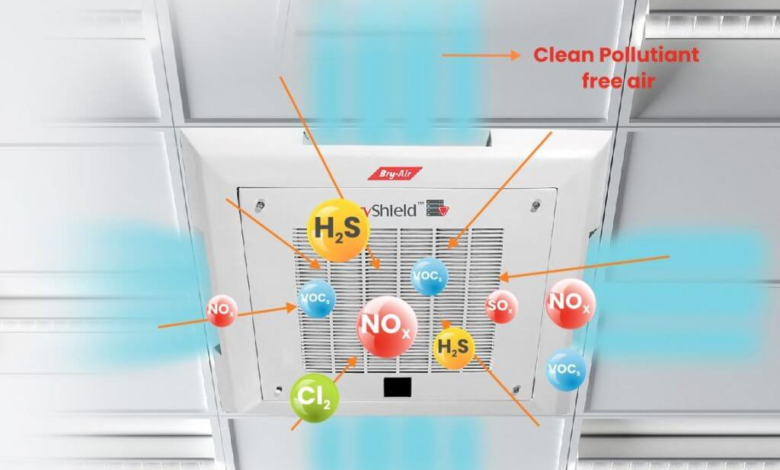
Several airborne substances are known to contribute to electronic corrosion, including:
- Sulfur compounds
- Chlorine compounds
- Nitrogen oxides
- Industrial emissions
- Volatile organic compounds
- Acidic airborne pollutants
The concentration and impact of these contaminants vary depending on environmental conditions and facility location.
Why Corrosion Is a Serious Concern
Electronic equipment relies on clean conductive pathways for proper operation. Corrosion can interfere with these pathways and create various operational challenges.
Potential consequences include:
- Reduced electrical conductivity
- Component degradation
- Increased system failures
- Higher maintenance costs
- Shortened equipment lifespan
- Reduced operational reliability
Because corrosion often develops gradually, organizations may not recognize the problem until significant damage has already occurred.
What Causes Electronic Corrosion in Critical Facilities?
Multiple environmental factors contribute to corrosion risks in sensitive environments.
Facilities located near industrial zones, manufacturing operations, chemical plants, or heavily trafficked areas may experience elevated levels of airborne pollutants. However, contamination can occur in virtually any environment under certain conditions.
Outdoor Air Infiltration
Ventilation systems continuously introduce outside air into buildings. While this process supports indoor air quality and environmental control, it can also allow contaminants to enter the facility.
Without adequate filtration, corrosive gases may circulate throughout sensitive equipment areas.
Internal Sources of Contamination
Corrosive substances may also originate from inside the facility.
Potential internal sources include:
- Cleaning chemicals
- Construction materials
- Maintenance activities
- Manufacturing processes
- Stored chemical products
Identifying and managing these sources can help reduce contamination risks.
Environmental Conditions
Humidity, temperature, and airflow patterns influence how contaminants interact with electronic components.
Certain environmental conditions can accelerate corrosion processes and increase the likelihood of equipment damage.
How Does Electronic Corrosion Affect Equipment Performance?
Corrosion impacts electronic systems in several ways.
As contaminants react with metallic surfaces, corrosion products may form on connectors, contacts, and circuit pathways. These deposits can interfere with electrical performance and create resistance within critical components.
Impact on Circuit Boards
Printed circuit boards contain numerous conductive pathways that support system functionality.
Corrosion can damage these pathways and contribute to communication errors, performance issues, and hardware failures.
Damage to Electrical Connections
Electrical connectors depend on clean contact surfaces to transmit signals effectively.
Corrosion buildup may weaken connections and increase the likelihood of intermittent system problems.
Effects on Cooling Systems
Contaminants can also affect cooling equipment and airflow management systems.
Reduced cooling efficiency may increase operating temperatures, placing additional stress on sensitive electronics.
Why Is Monitoring Corrosion Risk Important?
Preventing corrosion requires more than simply installing filtration systems. Organizations must also understand current environmental conditions and contamination levels.
Monitoring allows facility managers to identify risks before equipment damage becomes severe.
Regular environmental assessments provide valuable information that supports proactive maintenance and contamination control strategies.
Early Detection Benefits
Early detection offers several advantages:
- Reduced repair costs
- Improved equipment reliability
- Better maintenance planning
- Longer asset lifespan
- Lower risk of unexpected downtime
By identifying corrosion risks early, organizations can implement corrective measures before operational disruptions occur.
How Do Corrosion Coupons Help Assess Environmental Conditions?
Monitoring tools play a critical role in evaluating contamination risks within sensitive environments.
A widely used assessment method involves the use of a Corrosion Coupon. These monitoring devices are designed to measure the effects of corrosive contaminants over a specific period.
Corrosion coupons provide valuable insights into environmental conditions and help organizations determine whether additional contamination control measures are necessary.
Measuring Corrosion Activity
Corrosion coupons are typically exposed to the same environmental conditions experienced by electronic equipment.
Over time, technicians can evaluate the extent of corrosion that has occurred on the coupon surface, providing a measurable indication of contamination severity.
Supporting Preventive Strategies
The data collected through corrosion monitoring supports informed decision-making regarding:
- Air filtration improvements
- Environmental control adjustments
- Facility maintenance planning
- Equipment protection strategies
These insights help organizations develop more effective corrosion prevention programs.
What Strategies Help Prevent Electronic Corrosion?
Successful corrosion prevention requires a comprehensive approach that combines environmental management, monitoring, and contamination control.
Implement Advanced Air Filtration
Filtration systems designed to remove gaseous contaminants can significantly reduce corrosion risks.
By capturing harmful airborne pollutants before they reach sensitive equipment, filtration technologies help maintain cleaner operating environments.
Monitor Environmental Conditions
Regular monitoring of humidity, temperature, and airborne contaminants provides valuable information for maintaining optimal conditions.
Continuous assessment allows organizations to respond quickly when environmental changes occur.
Establish Preventive Maintenance Programs
Routine inspections help identify contamination issues before they affect equipment performance.
Preventive maintenance programs should include environmental evaluations, filtration system inspections, and equipment condition assessments.
Control Indoor Pollution Sources
Reducing exposure to internal contamination sources further strengthens corrosion prevention efforts.
Careful selection of building materials, cleaning products, and maintenance procedures can help minimize pollutant generation within the facility.
What Are the Long-Term Benefits of Corrosion Prevention?
Investing in corrosion prevention delivers both operational and financial benefits.
When sensitive equipment operates in a cleaner environment, organizations can expect improved reliability and reduced maintenance requirements.
Enhanced Equipment Lifespan
Protecting electronic components from contamination helps preserve their performance over time and reduces premature replacement needs.
Improved Operational Reliability
Reliable infrastructure supports uninterrupted business operations and minimizes the risk of costly downtime events.
Reduced Maintenance Costs
Preventing corrosion often costs significantly less than repairing or replacing damaged equipment.
Organizations that implement proactive contamination control strategies are better positioned to protect critical assets and optimize long-term operational performance.
Conclusion
Electronic corrosion represents a serious threat to critical facilities that rely on sensitive electronic equipment. Airborne contaminants and corrosive gases can gradually damage connectors, circuit boards, and electrical components, leading to reduced reliability, increased maintenance costs, and shortened equipment lifespan.
Effective prevention requires a combination of environmental monitoring, contamination assessment, advanced filtration technologies, and proactive maintenance practices. By understanding corrosion risks and implementing appropriate protective measures, organizations can create safer operating environments and improve the longevity of valuable infrastructure.
For organizations seeking advanced solutions for contamination control and corrosion prevention, Bry-Air offers innovative technologies designed to help protect critical electronic environments from airborne corrosive contaminants and maintain superior operational reliability.



![[pii_email_dc963e0fcbbfd6b0ba78]](https://computertechlife.com/wp-content/uploads/2023/06/images-12.jpg)