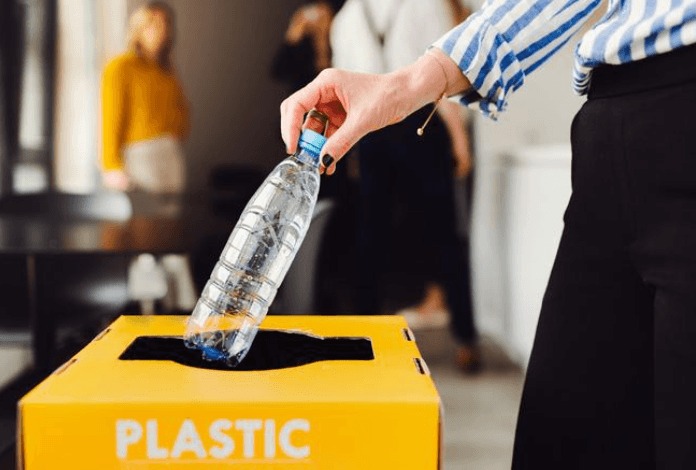
Every day, more people rely on Local recycling searches to find convenient ways to recycle household items, electronics, plastic, paper, and other materials. Instead of throwing everything into the trash, homeowners and businesses are actively looking for nearby recycling centers that make responsible waste disposal easier. Whether you’re cleaning out your garage, replacing old electronics, or simply trying to live more sustainably, finding the right recycling option close to you can save both time and effort.
Why Local Recycling Matters
Recycling has become much more than a trend—it’s a practical way to reduce landfill waste, conserve natural resources, and lower environmental impact. Choosing a nearby recycling facility also reduces transportation emissions while supporting local recycling programs.
When recycling becomes convenient, people are far more likely to make it part of their routine. That’s why local recycling facilities continue to play such an important role in communities of every size.
Some of the biggest benefits include:
- Less waste ending up in landfills
- Conservation of valuable natural resources
- Reduced pollution
- Lower carbon emissions
- Support for the local economy
- Cleaner neighborhoods
What People Usually Look for in Local Recycling Searches
When someone searches for recycling options nearby, they’re often looking for more than just an address. They want answers to practical questions, including:
- What materials are accepted?
- Are there any recycling fees?
- What are the operating hours?
- Is the location easy to access?
- Do they accept electronics or hazardous waste?
- Are appointments required?
Having this information readily available helps people recycle correctly and avoid unnecessary trips.
Common Items That Can Be Recycled
Many recycling centers accept a wide variety of materials, including:
Paper Products
- Newspapers
- Cardboard
- Office paper
- Magazines
- Paper packaging
Plastics
Depending on local guidelines, recycling centers often accept:
- Plastic bottles
- Food containers
- Detergent bottles
- Milk jugs
- Plastic packaging
Always check the recycling symbols and local requirements before dropping off plastics.
Glass
Most facilities accept:
- Beverage bottles
- Food jars
- Clear, green, and brown glass
Broken glass may require special disposal procedures.
Metal
Recyclable metals often include:
- Aluminum cans
- Steel cans
- Copper
- Brass
- Scrap metal
Metal recycling helps recover valuable materials that can be reused repeatedly.
Electronics
Electronic waste continues to grow every year. Many local facilities now recycle:
- Laptops
- Desktop computers
- Mobile phones
- Printers
- Televisions
- Small household electronics
Proper electronic recycling prevents hazardous materials from entering landfills.
Tips for Recycling More Efficiently
Getting the most out of your recycling efforts doesn’t require much extra work.
Here are a few simple habits that make a difference:
- Rinse food containers before recycling.
- Flatten cardboard boxes to save space.
- Separate recyclable materials when possible.
- Remove batteries from electronic devices.
- Follow your local recycling guidelines.
- Avoid contaminating recycling bins with non-recyclable items.
Small improvements at home can significantly increase recycling efficiency.
Businesses Also Benefit from Recycling
Recycling isn’t just important for households. Businesses generate large amounts of paper, electronics, packaging materials, and office equipment throughout the year.
Organizations investing in sustainability often combine environmentally responsible recycling practices with reliable technology support. Many companies also work with providers offering managed it services dallas to improve operational efficiency while responsibly handling outdated hardware and electronic equipment during technology upgrades.
This combination helps businesses reduce waste while maintaining secure and efficient IT operations.
See also: Proven Local Business Marketing Strategies to Stay Ahead of Your Competition
How Technology Makes Recycling Easier
Modern technology has simplified the recycling process considerably.
Today, people can:
- Locate nearby recycling centers instantly
- Check accepted materials online
- Schedule pickup services
- Find electronic waste collection events
- Receive reminders for community recycling days
These digital tools encourage greater participation and reduce confusion about proper recycling methods.
Mistakes to Avoid
Even well-intentioned recycling efforts can become less effective when common mistakes occur.
Avoid these issues:
- Placing food-contaminated containers in recycling bins
- Mixing hazardous waste with household recyclables
- Including plastic bags where they aren’t accepted
- Throwing batteries into regular recycling bins
- Assuming every recycling center accepts every material
Understanding local requirements helps improve the overall recycling process.
Choosing the Right Recycling Facility
Not every recycling center offers the same services. Before visiting one, consider:
- Accepted materials
- Distance from your location
- Customer reviews
- Operating hours
- Drop-off procedures
- Commercial recycling options
- Electronic recycling capabilities
A little research beforehand can save considerable time.
The Future of Local Recycling
Communities continue investing in smarter recycling systems, improved sorting technologies, and expanded collection programs. As environmental awareness grows, recycling services are becoming more accessible and easier to use than ever before.
Businesses are also adopting sustainable practices that extend beyond waste reduction, while households are becoming increasingly conscious of responsible disposal habits. These combined efforts help create cleaner communities and reduce long-term environmental impact.
Final Thoughts
Using Local recycling searches is one of the easiest ways to find responsible disposal options close to home or work. Whether you’re recycling paper, plastics, metals, electronics, or household items, choosing a nearby recycling solution helps reduce waste while supporting a healthier environment.
The more consistently individuals and businesses recycle, the greater the collective impact. By making recycling part of everyday life, communities can conserve valuable resources, reduce pollution, and contribute to a more sustainable future for generations to come.