
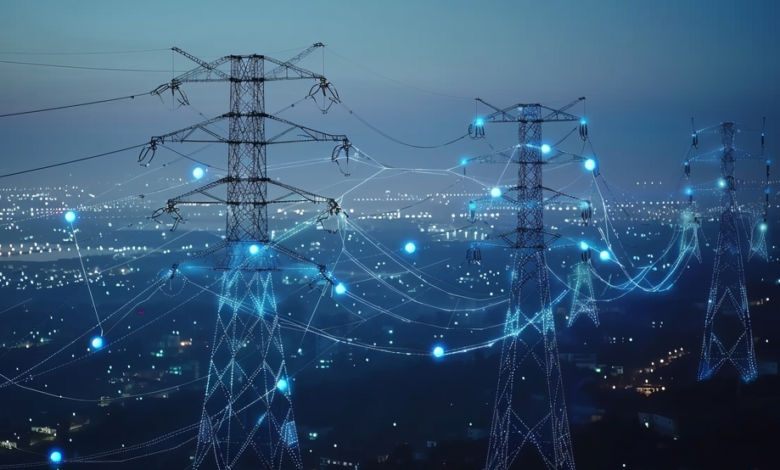
Public infrastructure keeps America running. Roads crack under heavy trucks. Bridges shake when trains pass overhead. Power lines sway in storms. Water pipes burst in winter freezes. Government buildings shelter essential services day after day. These assets work hard, and they’re showing their age.
The Growing Need for Resilient Infrastructure
Engineers built a lot of the stuff we use today way back when they used slide rules instead of computers. A hot summer then had temperatures in the 90s, not weeks of over 100 degrees. The storms came and went as expected. Nobody fretted about cyberattacks on water treatment plants.
Things are different now. The weather changes drastically, from no rain to too much. Digital controls manage everything from traffic signals to sewage pumps. One slip-up can mess everything up. Officials see these problems up close. They recognize the need for change. You can’t merely patch systems that are no longer current. That’s not a solution. Communities require infrastructure prepared for future uncertainties.
Smart Strategies for Long-Term Protection
Finding weak spots beats fixing disasters. Engineers study bridges before they collapse, not after. They test water pipes before they burst. This homework saves money and lives. New tools help catch problems early. Tiny sensors track vibrations in concrete. Cameras spot rust on steel beams. Software predicts which components will fail next. Old infrastructure gets smarter every year. A bridge tells engineers when ice forms on its deck. Power lines report their own damage after storms.
Energy powers everything. Without power, water pumps, streetlights, and emergency services fail. This is the reason agencies diversify their energy sources. Some days bring strong winds. Other days the sun shines bright. Batteries store extra power for calm, cloudy days. Commonwealth.com helps government clients mix renewable power with traditional systems, creating backup plans for their backup plans. Energy diversity prevents blackouts and aids recovery.
Building Flexibility Into Fixed Assets
The old method involved durable, one-time construction. That worked when technology moved slowly. Now a decade brings radical changes. Infrastructure needs flexibility. It’s like buying clothes for a child who’s growing. You choose a size larger, expecting they’ll grow into it. Modern infrastructure works the same way. Extra conduit space waits underground for future cables. Building foundations support additional floors if needed later. Software runs the show, making updates easy.
Weather drives many decisions now. Storm drains handle bigger downpours. Buildings stand up to stronger winds. Air conditioning systems prepare for hotter summers. Engineers plan for extremes that used to be rare. The hundred-year flood might show up every ten years now. Better to overbuild than rebuild.
See also: Everything You Should Know About Zenbusiness Review Moneyaisle Today
Financial Planning Meets Physical Preparation
Money shapes every decision. Budgets force tough choices. Fix the bridge or upgrade the water plant? Replace old pipes or add backup generators? Smart agencies tackle worst problems first, then chip away at the rest. Grant money helps stretch local dollars. Federal programs favor communities with solid plans. State funds support specific improvements. The trick is knowing where to look and how to apply. Good engineering partners make this easier, turning rough ideas into fundable projects.
Prevention beats cleanup every time. Spending a million now saves ten million after the next disaster. Taxpayers might grumble about prevention costs, but they hate emergency repairs even more. Steady improvements cost less than crisis management.
Conclusion
Nobody knows what’s next for public infrastructure. Disasters such as earthquakes, floods, or heat waves can occur unexpectedly. Communities don’t need to wait. Every sensor installed, every pipe replaced, every backup system added makes infrastructure tougher. The work never really ends. There’s always another bridge to strengthen, another grid to upgrade. Yet each improvement matters. Strong public assets provide community protection. The decision is simple: invest now for future savings.



![[pii_email_b366c20fcffb664e6b8c]](https://computertechlife.com/wp-content/uploads/2023/05/images-6.jpg)
![[pii_email_d13d032cdb7403ecb398]](https://computertechlife.com/wp-content/uploads/2023/06/images-11.jpg)