
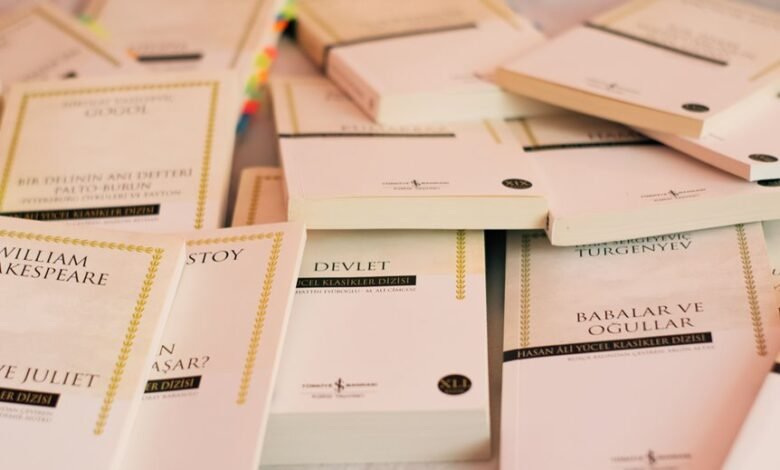
Translated literature broadens the scope of a reader’s horizon by presenting alternative languages, contexts, and narrative structures. It demands careful evaluation of linguistic fidelity and cultural mediation in pursuit of meaning and authorial intent. Quality translations balance precision with interpretive clarity, guiding readers through unfamiliar idioms and styles. This balance shapes critical awareness and stylistic sensitivity, yet the value persists only if one remains vigilant about bias and transmission—an ongoing challenge that invites further examination.
How Translated Literature Expands Your World
Translated literature broadens readers’ horizons by granting access to languages, cultures, and historical contexts beyond the dominant discourse of one’s own tongue. It serves as a conduit for worldwide perspectives, revealing structural assumptions and power dynamics embedded in narrative forms. The analytic examination highlights cultural nuance, language play, and narrative strategies, enabling a disciplined, autonomous engagement with texts while sustaining critical distance and informed curiosity.
How to Choose High-Quality Translations
Selecting a high-quality translation requires careful consideration of both linguistic fidelity and cultural mediation. Evaluation hinges on translation quality, noting how faithfully meaning is conveyed while preserving style and register. Cultural nuance should emerge through thoughtful transfer, not ornamental gloss. Translation ethics govern attribution, accountability, and transparency about sources; translator visibility clarifies decision-making, preserving authorial intent while enabling reader discernment.
What Reading Translated Works Does for Empathy and Language Skills
Research shows that reading translated works enhances both empathy and language proficiency by exposing readers to diverse perspectives and linguistic structures beyond their native repertoire; this exposure fosters perspective-taking while expanding lexical and syntactic repertoire in a disciplined, measurable way.
The process supports empathy development through nuanced character insight and strengthens linguistic nuance via cross-cultural syntax patterns and vocabulary acquisition, yielding disciplined comprehension.
How to Balance Translated and Original Reads in Your Shelf
Balancing translated and original reads on a shelf involves a deliberate curation that aligns intellectual goals with reader exposure. This equilibrium foregrounds balance authorship and translation nuance, ensuring diverse voices without privileging form over substance.
Readers should map intent to selection: designate sections for originals, translations, and parallel study. A disciplined mix cultivates critical discernment and preserves literary autonomy amid cross-cultural dialog.
Practical Tips for Getting the Most From Every Translation
Readers who have considered the interplay between translated and original works can apply concrete practices to maximize understanding and enjoyment of translations.
Systematic approaches include دو pre-reading skims, glossary checks, and post-reading reflection.
Emphasize consistency in reading habits, note translator choices, and compare editions.
Assess translation quality through terminology fidelity, cultural latency, and authorial voice preservation to enhance critical engagement and freedom in interpretation.
Frequently Asked Questions
How Do Translators Handle Cultural Nuances and Humor?
Translators prioritize nuance preservation by balancing fidelity with function, employing footnotes, cultural notes, and adaptive equivalents; cultural humor is often reframed rather than literal, preserving intent while signaling audience context to readers seeking linguistic freedom.
Can Translated Literature Influence My Own Writing Style?
Translators’ work suggests translated literature can influence cadence and provoke stylistic adaptation in a reader’s writing. Theoretically, exposure may recalibrate syntax, rhythm, and diction, enabling experimentation while maintaining fidelity, though effects vary with genre, language mastery, and individual writing aims.
Are There Regional Biases in Popular Translations?
Regional biases influence some acclaimed translations, reflecting market preferences and gatekeeping within translation markets; such factors shape which works travel widely, while others remain underrepresented, regardless of intrinsic literary merit, demanding critical scrutiny and equitable market diversification.
How Do We Track Translation Quality Over Time?
Tracking accuracy can be evaluated through systematic sampling, edition histories, and scholarly audits; translation quality over time emerges from comparative analyses, translator notes, and revision patterns, revealing calibration or drift in rendition fidelity across successive editions and contexts.
Do Translations Affect a Book’s Original Interpretation?
Translations can alter interpretation; the impact of translation choices and cultural nuance shifts shapes readers’ sense of origin and meaning. An anecdote shows a proverb misrendered, reframing intent while data suggests variant reception across cultures, not merely language.
Conclusion
Translated literature, when chosen with care, reveals patterns of culture and thought that echo across borders. Its benefits accrue not by chance but through deliberate reading practices that illuminate stylistic choices and social contexts. The coincidence is striking: a single translated sentence can unlock a unfamiliar syntactic rhythm and a familiar human concern. Thus, disciplined engagement with translations broadens cognition, deepens empathy, and refines language awareness, while keeping original voices in productive dialogue with their translated counterparts.