
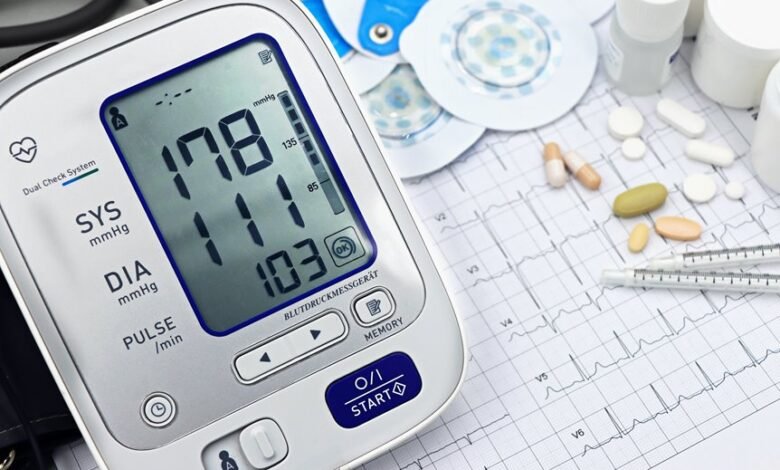
When a medication recall occurs, it is essential to verify the notice from official sources such as the FDA or the manufacturer and to check the affected lot numbers on the bottle. A patient should ask their pharmacist or clinician which lots are impacted, what safe alternatives exist, and whether refunds or replacements are offered. Guidance on maintaining ongoing treatment and monitoring should be requested, along with instructions for returning recalled products. Document all steps to inform future decisions as more details emerge.
What a Medication Recall Means for You
A medication recall signifies that a drug product has been identified as potentially unsafe or ineffective, prompting steps to remove it from the market or limit its distributed supply. The recall affects patient choices, pharmacy stock, and clinician guidance, requiring verification of affected lots and alternatives. Unrelated topic, off topic discussion, nonetheless, consumers should seek trustworthy sources and document communication with providers.
How to Read Recall Notices and Identify Affected Products
Readers should approach recall notices with a clear, methodical checklist to determine relevance and urgency. The text emphasizes reading labels, identifying batch numbers, and verifying recalls against official databases. It advises contacting manufacturers, comparing alternatives, and ensuring safety. Process refunds if offered, avoiding substitutions, and documenting communications to support accountability and traceability in recalling products.
When to Talk to a Pharmacist or Doctor About a Recall
When should a pharmacist or physician be consulted regarding a recall, and what factors determine urgency?
Timely discussion depends on exposure risk, product type, and symptoms. Pharmacist consultations help confirm affected lots and alternatives, while doctor guidance clarifies medical implications and contraindications. Evidence-based decision-making relies on official recalls and patient history; prompt action minimizes harm without unnecessary alarm.
How to Verify Information and Navigate Replacements or Refunds
To verify recall information and determine options for replacements or refunds, individuals should rely on official sources such as the FDA, manufacturer notices, and recall press releases, cross-checking lot numbers and product descriptions against personal items.
Verification sources underpin decision making; when confirmed, consumers evaluate replacement options promptly, ensuring safety while preserving access to essential medications.
Practical Steps to Protect Ongoing Treatments During a Recall
Anticipating disruption during a recall, individuals should first map their ongoing treatment needs and assess which medications are essential, which can be substituted, and how interruptions may impact health outcomes. Clear recall communication supports informed choices and preserves continuity of care.
Documented plans promote patient safeguarding, enabling timely substitutions or adjustments while minimizing risk, ensuring treatment goals remain attainable and patient autonomy is respected.
Frequently Asked Questions
How Often Do Recalls Involve Over-The-Counter Medications?
Over-the-counter recalls occur relatively infrequently compared to prescription recalls, though rates vary by year and product category. Regulatory timelines guide actions; agencies publish notices, manufacturers issue alerts, and recalls target affected lots to protect public safety. OTC recalls are less common.
Can Recalls Be Voluntary or Mandatory by Regulators?
Recalls can be both voluntary and mandatory; recall authority rests with regulators, who trigger actions when safety concerns arise. Regulatory triggers include risk to health, product misuse potential, and evidence from testing, reports, or adverse event monitoring.
Do Recalls Affect Generic Versions Differently From Brand-Name Drugs?
A recall impact varies: brand-name and generic drugs experience similar safety actions, but differences arise from formulation and supply chains; drug class differences influence risk assessment and replacement strategies, though regulatory actions apply across both with comparable rigor.
What Are Consumer Rights During a Medication Recall Process?
Consumer rights during a medication recall process include access to timely information, safe alternatives, clear instructions, and compensation options; the recall process emphasizes transparency, accountability, and patient safety, enabling informed decisions while minimizing harm and disruption to freedom of choice.
How Could a Recall Impact Insurance Coverage or Copays?
A notable statistic shows recalls affect roughly 1 in 150 prescriptions. The detachment notes that recall logistics and insurer communications can shift coverage or copays, potentially increasing costs or altering formulary access during the recall process.
Conclusion
In the end, relying on official recalls and precise lot numbers is “surprisingly” optional—until the bottle rolls off the shelf with an unpronounceable impurity. The process, neatly summarized, merely requires verifying sources, consulting clinicians, and pursuing refunds or replacements. But sure, ignore the recalls, trust memory, and hope your treatment remains uninterrupted. For those who do follow the steps, the irony is that careful verification actually minimizes risk and preserves care—quite the opposite of fate’s capricious whim.

