
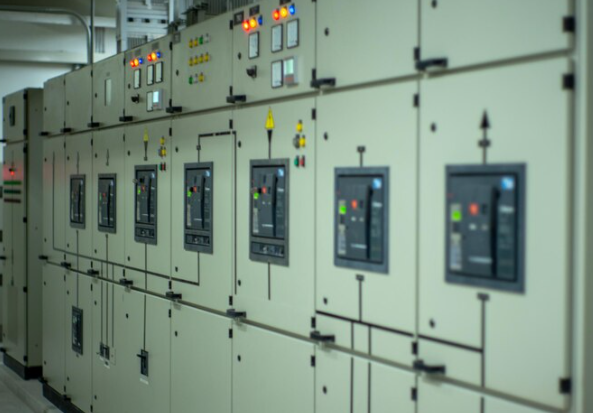
Modern industrial infrastructure is rapidly evolving toward higher efficiency, reliability, and safety. One of the most significant developments in this shift is the increasing adoption of systems like gas insulated switch gear, which is helping industries reduce operational risks and minimize maintenance requirements.
As industries face rising energy demands and tighter operational constraints, maintenance free electrical systems are becoming the preferred choice for power distribution networks across manufacturing plants, utilities, data centers, and heavy industrial environments.
The move toward maintenance free technology is not just a trend but a response to real operational challenges. Traditional electrical systems often require frequent inspection, cleaning, tightening of connections, and component replacement. These activities not only increase downtime but also raise long term operational costs. Maintenance free systems are designed to reduce or eliminate many of these requirements, offering a more stable and efficient solution for modern power distribution needs.
This blog explores why maintenance free electrical systems are becoming the industry standard, how they work, and the benefits they offer across different sectors.
Understanding Maintenance Free Electrical Systems
Maintenance free electrical systems are designed to operate for extended periods without requiring routine physical servicing. These systems use advanced insulation technologies, sealed enclosures, and durable components that significantly reduce wear and tear.
Unlike conventional setups, where environmental exposure can lead to corrosion, dust accumulation, and mechanical degradation, maintenance free systems are built to isolate critical components from external factors. This design philosophy enhances both performance and longevity.
In many modern installations, gas insulated switch gear plays a central role in achieving maintenance free operation. By using inert gas insulation instead of air, these systems minimize oxidation and contamination risks, ensuring stable electrical performance over time.
See also: Drainage Problems That Can Destroy Your Home’s Value
Growing Demand for Reliability in Industrial Power Systems
Industries today operate under continuous production cycles where even minor electrical disruptions can lead to significant losses. As a result, reliability has become one of the most critical requirements in electrical infrastructure design.
Maintenance free systems are increasingly preferred because they:
- Reduce unexpected downtime caused by equipment failure
- Ensure consistent power distribution in high load environments
- Minimize the need for scheduled shutdowns for servicing
- Improve overall system availability and efficiency
This demand for reliability is especially high in sectors such as oil and gas, manufacturing, pharmaceuticals, and data centers, where uninterrupted power is essential for safety and productivity.
Role of Advanced Insulation Technologies
One of the key enablers of maintenance free electrical systems is the advancement in insulation technology. Traditional air insulated systems are more vulnerable to dust, moisture, and pollution, which can degrade performance over time.
In contrast, modern systems use sealed insulation methods that prevent environmental exposure. Gas insulated switch gear is a leading example of this approach. It uses sulfur hexafluoride gas or similar insulating mediums to provide superior dielectric strength in a compact sealed environment.
This approach results in:
- Reduced risk of internal arcing
- Improved insulation performance in harsh environments
- Longer equipment lifespan
- Lower maintenance frequency
These benefits make insulated systems particularly suitable for industrial environments with high levels of dust, humidity, or chemical exposure.
Reduced Maintenance Requirements and Operational Efficiency
One of the most significant advantages of maintenance free electrical systems is the drastic reduction in maintenance requirements. Traditional systems require periodic shutdowns for inspection, cleaning, tightening, and replacement of worn components.
Maintenance free systems eliminate many of these tasks through robust design and sealed construction. This leads to improved operational efficiency in several ways.
Key efficiency improvements include:
- Lower manpower requirements for routine servicing
- Reduced planned downtime for maintenance activities
- Fewer unplanned outages due to component failure
- More predictable maintenance scheduling for facility managers
Over time, these improvements translate into significant cost savings and more efficient use of resources. For reliable switch gear systems, explore Meta Power Solutions today.
Enhanced Safety in Industrial Environments
Safety is a top priority in any industrial electrical system. Maintenance free electrical systems are designed with safety enhancements that reduce the likelihood of human error and electrical hazards.
Sealed systems like gas insulated switch gear minimize direct contact with live components, reducing the risk of accidental electrical shock during maintenance operations. Additionally, their enclosed design protects against external contamination that could lead to short circuits or electrical faults.
Safety improvements include:
- Reduced exposure to high voltage components
- Lower risk of arc flash incidents
- Improved containment of insulating gases and electrical arcs
- Enhanced protection against environmental hazards
These features make maintenance free systems especially valuable in high risk industrial environments.
Space Efficiency and Compact Design Benefits
Another major factor driving the adoption of maintenance free electrical systems is their compact design. Traditional air insulated systems require significant physical space to maintain safe electrical clearances. In contrast, gas insulated switch gear and similar technologies allow for much more compact installations.
This space efficiency is particularly beneficial in urban industrial facilities, offshore platforms, and data centers where space is limited and expensive.
Advantages of compact design include:
- Reduced footprint of electrical substations
- Easier integration into existing infrastructure
- Lower land and construction costs
- Improved layout flexibility for facility designers
Compact systems allow industries to optimize their infrastructure without compromising on performance or safety.
Performance in Harsh Environmental Conditions
Industrial environments are often exposed to extreme conditions such as high humidity, dust, salt exposure, and chemical pollutants. Traditional electrical systems can degrade quickly under such conditions, leading to frequent maintenance and reduced reliability.
Maintenance free systems are engineered specifically to withstand these challenges. Sealed enclosures and advanced insulation protect internal components from external damage.
Gas insulated switch gear is particularly effective in:
- Coastal regions with high salt content in the air
- Mining and mineral processing facilities with heavy dust exposure
- Chemical plants with corrosive atmospheres
- Outdoor substations exposed to weather extremes
By minimizing environmental interaction, these systems ensure stable performance even in the most demanding conditions.
Long Term Cost Advantages
Although maintenance free electrical systems often have higher initial installation costs, they provide significant long term financial benefits. The reduction in maintenance activities, downtime, and component replacement leads to substantial cost savings over the system lifecycle.
Financial advantages include:
- Lower maintenance labor costs
- Reduced spare part inventory requirements
- Decreased production losses due to downtime
- Extended equipment lifespan
- Improved return on infrastructure investment
When evaluated over a long operational period, maintenance free systems often prove to be more economical than traditional alternatives.
Integration with Smart Grid and Modern Infrastructure
Modern electrical systems are increasingly being integrated with digital monitoring and smart grid technologies. Maintenance free systems are well suited for this evolution because they require less manual intervention and are designed for continuous monitoring.
Sensors and monitoring devices can be integrated into systems like gas insulated switch gear to track temperature, pressure, and electrical performance in real time. This allows operators to identify potential issues before they become critical.
Benefits of smart integration include:
- Predictive maintenance capabilities
- Real time performance monitoring
- Improved fault detection and diagnostics
- Better energy management and optimization
This combination of maintenance free design and digital intelligence represents the future of industrial power systems.
Environmental and Sustainability Considerations
Sustainability has become an important factor in industrial decision making. Maintenance free electrical systems contribute to environmental goals by reducing waste, improving energy efficiency, and extending equipment life.
Additionally, modern systems are designed to minimize the environmental impact of insulation gases and materials. While gas insulated switch gear traditionally uses insulating gases with high performance characteristics, newer developments are focused on reducing environmental footprint and improving gas handling systems.
Sustainability benefits include:
- Reduced material waste from frequent replacements
- Lower energy losses in transmission and distribution
- Longer operational lifecycle of equipment
- Improved system efficiency leading to lower emissions
These factors align with global efforts to create more sustainable industrial infrastructure.
Future Outlook of Maintenance Free Electrical Systems
The future of electrical infrastructure is clearly moving toward automation, reliability, and reduced maintenance dependency. As industries continue to adopt advanced technologies, maintenance free systems will become even more prevalent.
Innovations in insulation materials, digital monitoring, and compact system design will further enhance performance and reduce operational complexity. Gas insulated switch gear and similar technologies will continue to play a central role in this transformation.
The trend indicates a shift where electrical systems are not only expected to deliver power but also to self monitor, self protect, and operate with minimal human intervention.
Conclusion
Maintenance free electrical systems are becoming the industry standard due to their reliability, safety, efficiency, and long term cost advantages. With technologies such as gas insulated switch gear leading the way, industries are now able to achieve higher operational stability while reducing maintenance demands and environmental risks.
As industrial environments become more complex and demand for uninterrupted power continues to grow, the adoption of maintenance free systems is expected to accelerate further, reshaping the future of electrical infrastructure worldwide.