
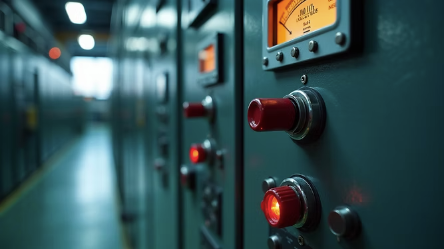
The Foundation of Modern Industry
Safe and reliable industrial electrical systems are the backbone of manufacturing plants, processing facilities, warehouses, and large commercial operations. Without a dependable electrical infrastructure, machinery cannot operate efficiently, production lines face interruptions, and safety risks increase significantly. These systems are designed to handle high voltage loads, complex distribution networks, and continuous operational demands that far exceed the needs of residential or small commercial properties. From powering heavy motors to controlling automated robotics, industrial electrical systems play a critical role in driving productivity and innovation.
A well-designed system begins with careful planning and engineering. Electrical engineers assess load requirements, environmental conditions, future expansion needs, and regulatory standards before creating a detailed layout. Components such as transformers, switchgear, circuit breakers, and control panels must be selected to withstand demanding operational environments. When these elements are installed correctly and integrated seamlessly, they create a stable power distribution network that minimizes downtime and ensures operational continuity. This strong foundation not only supports daily operations but also protects valuable equipment and personnel from electrical hazards.
Designing for Safety and Compliance
Safety is the highest priority when developing industrial electrical systems. Industrial environments often involve high-voltage equipment, combustible materials, and heavy machinery, making electrical safety a complex and essential consideration. Proper insulation, grounding, surge protection, and overload safeguards are fundamental features that prevent electrical faults and accidents. By incorporating these protective measures, businesses can significantly reduce the risk of fires, equipment damage, and employee injuries.
Compliance with national and international electrical codes is equally important. Regulatory standards ensure that systems are designed and maintained according to strict safety guidelines. Regular inspections, testing, and documentation are required to verify that all components function within safe parameters. Adhering to these standards not only protects workers but also shields organizations from legal liabilities and financial penalties. When companies invest in compliance and safety-focused design, they create a secure working environment that fosters trust and operational confidence.
Reliability Through Advanced Technology
Modern industries rely heavily on automation, data-driven processes, and smart machinery. To support these advancements, Thermal overload relay must incorporate cutting-edge technology. Smart monitoring systems, programmable logic controllers (PLCs), and real-time diagnostic tools allow engineers to detect irregularities before they escalate into major failures. This proactive approach enhances system reliability and reduces unexpected downtime.
Energy management systems also contribute to reliability by optimizing power usage and balancing loads efficiently. These technologies monitor consumption patterns and adjust distribution to prevent overload conditions. In addition, backup power solutions such as generators and uninterruptible power supplies (UPS) ensure that critical operations continue even during grid disruptions. By integrating advanced monitoring and backup solutions, industrial facilities can maintain consistent performance while minimizing costly interruptions.
See also: Residential Window Cleaning: Enhancing Home Beauty, Comfort, and Value
Maintenance and Preventive Strategies
Even the most well-designed industrial electrical systems require ongoing maintenance to remain safe and reliable. Preventive maintenance programs are essential for identifying wear and tear, loose connections, overheating components, or insulation breakdown. Regular thermal imaging, circuit testing, and system audits help detect potential issues early, preventing catastrophic failures that could halt production.
A structured maintenance schedule not only extends the lifespan of electrical equipment but also improves overall efficiency. Trained technicians play a vital role in conducting inspections, replacing aging components, and updating outdated systems. Documentation of maintenance activities ensures transparency and supports compliance with regulatory requirements. By prioritizing preventive care, organizations can reduce emergency repair costs and maintain a steady flow of operations without unexpected disruptions.
Future-Proofing Industrial Electrical Infrastructure
As industries evolve, electrical systems must adapt to new technologies, sustainability goals, and increasing energy demands. Future-proofing industrial electrical infrastructure involves designing systems with scalability in mind. Modular components, flexible distribution panels, and adaptable control systems make it easier to expand operations without overhauling the entire network. This strategic planning allows businesses to grow while maintaining safety and reliability.
Sustainability is also becoming a central focus in industrial electrical design. Incorporating renewable energy sources, energy-efficient equipment, and intelligent load management systems helps reduce carbon footprints and operational costs. As digital transformation continues to shape industrial landscapes, investing in safe and reliable industrial electrical systems ensures long-term resilience. Companies that prioritize innovation, safety, and proactive management position themselves for sustained success in an increasingly competitive global market.