
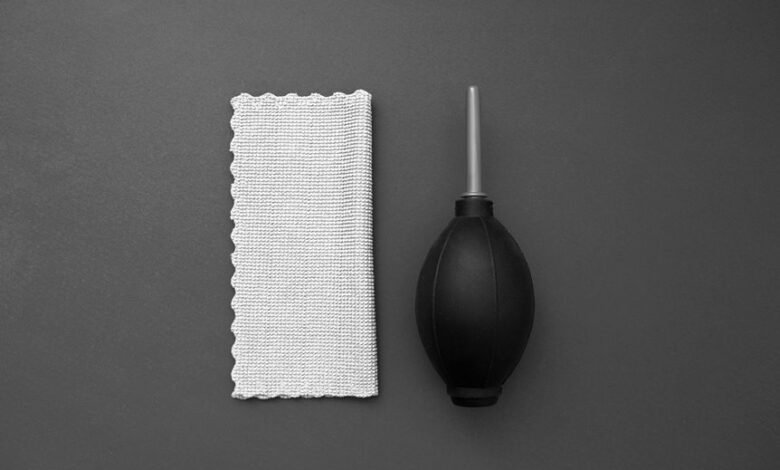
Cleaning different accessories without causing damage hinges on knowing each material’s limits and testing cleaners first. The approach is careful, precise, and methodical: identify safe products, apply minimal moisture with a microfiber wipe, and avoid abrasives. Instances vary—glasses, watches, headphones, cases, and straps each need tailored steps and gentle handling. The topic invites a methodical sequence and careful documentation, yet a practical reminder lingers: a small test can prevent costly mistakes, inviting further scrutiny of the methods.
How to Identify Safe Cleaners for Each Material
Determining safe cleaners for each material begins with recognizing the properties and limitations of that material. This assessment informs safe cleaners selection, emphasizing material compatibility. Gentleness testing on inconspicuous areas precedes full cleaning, ensuring the method remains noninvasive. Avoid abrasives, select mild solutions, and document results. Clear guidelines help balance efficacy with preservation, supporting owners who value freedom and careful maintenance.
Cleaning Steps for Sunglasses, Watches, and Headphones
Cleaning sunglasses, watches, and headphones requires a structured, material-aware approach that minimizes risk while removing dirt, oils, and residues.
Each item benefits from a gentle wipe with a microfiber cloth, minimal moisture, and mild, non-abrasive cleaners.
Emphasize stain removal without over-wetting.
Consider abrasive safety, avoiding tips that could scratch lenses, finishes, or cords, preserving clarity and function.
Cleaning Cases, Covers, and Camera Straps
Careful handling extends to cases, covers, and camera straps, where material differences dictate treatment. The article advocates a disciplined approach: inspect fabric or leather, then select mild cleaners and tested methods.
For cases care, use gentle wiping with a damp cloth; avoid saturating interiors.
For covers cleaning, air dry away from heat, and store properly to maintain shape and longevity.
Common Mistakes to Avoid and Quick Testing Tips
Avoiding common missteps helps preserve materials and extend the life of cases, covers, and straps. The approach emphasizes deliberate assessment before cleaning: identify surface sensitivities, perform a small test patch, and observe for discoloration or stiffness. This cautious method highlights common mistakes, and encourages quick testing to confirm compatibility, ensuring cleaners and techniques meet material tolerances without compromise.
Quick Maintenance Routines to Extend Accessory Life
Quick maintenance routines offer a concise framework to prolong the life of accessories. In disciplined terms, routines include routine inspection, gentle cleaning, and prompt minor repairs. Schedule periodic checks, document findings, and replace worn components before failure. Avoid harsh chemicals; use correct tools. Following these steps, quick maintenance routines effectively extend accessory life while preserving performance and aesthetic integrity for mindful users seeking freedom.
Frequently Asked Questions
How Often Should I Clean Accessories to Prevent Buildup?
Answer: Cleaning frequency should align with usage and environment to prevent buildup; routine checks are advised. The approach is careful and methodical, emphasizing buildup prevention while preserving freedom to adjust schedules as needed for different accessories.
Can I Use Dish Soap on All Materials Safely?
“Safety first,” says the adage, as the answer is that dish soap is not universal; cleaning methods depend on material safety. The methodical assessment: test a hidden area, avoid harsh combinations, and follow manufacturer guidance.
Are UV Sterilizers Safe for Eyewear and Electronics?
UV sterilizers can be safe for eyewear if proper exposure and manufacturer guidance are followed; for electronics, cleansing is generally discouraged. The recommended approach emphasizes cautious, device-specific cleaning methods, avoiding UV exposure that may damage screens or insulation.
Do Cleaning Agents Affect Warranty Coverage?
An antique compass clicks open, signaling caution: cleaning agents can affect cleaning warranty and material safety; improper use may void coverage. The prudent approach evaluates product guidance, tests on inconspicuous areas, and preserves material safety while outlining warranty implications.
What Signs Indicate Damage From Cleaning Methods?
Damage indicators include discoloration, warping, moisture intrusion, and residue buildup. Cleaning risks involve surface stripping,Etching, and loosening seals. The analysis remains methodical, noting observable effects rather than assumptions, guiding careful decisions for those seeking freedom from damage.
Conclusion
To protect each accessory, a careful, methodical approach is essential. By identifying safe cleaners for each material, testing on inconspicuous areas, and using minimal moisture with a microfiber wipe, damage is minimized. For example, a hypothetical watch with a leather band is cleaned with a damp, barely damp cloth and a leather-safe conditioner after a spot test, ensuring the finish remains uniform. Regular quick maintenance routines further extend life and preserve appearance across sunglasses, watches, headphones, and cases.