
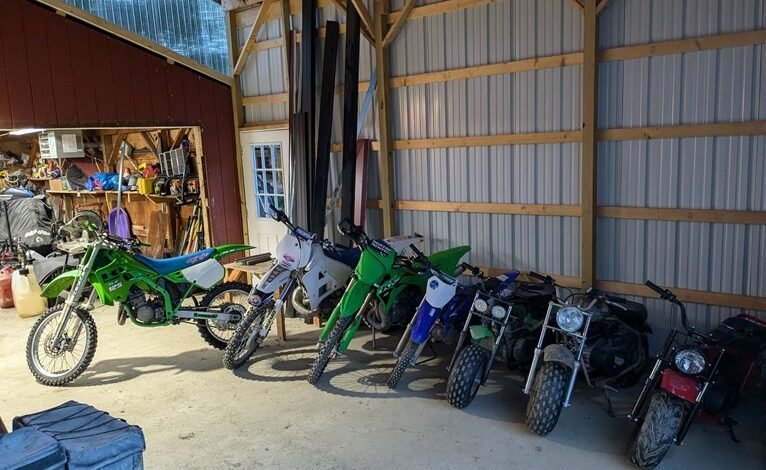
Storing a motorcycle safely during long breaks demands a disciplined, methodical approach. Begin with a clean, corrosion-protected exterior, then isolate components and cover the bike to minimize dust. Select a humidity-controlled, secure space with ventilation and reliable alarms. Stabilize fuel, inspect tires and fluids, and disconnect nonessential loads; consider battery removal where appropriate. Document procedures for rapid reactivation and schedule periodic checks to ensure a ready, safe revival when needed.
What to Know Before Storing: Fundamentals for Beginners
Before storing a motorcycle, beginners should understand the core considerations that influence long-term condition and readiness. This section outlines essential fundamentals: evaluating environmental exposure, selecting appropriate storage gear, and establishing routine checks.
Emphasize consistent cleaning routines to prevent corrosion, and ensure gear selection supports airflow, humidity control, and accessibility.
Methodical planning minimizes risk and supports dependable, freedom-oriented ownership.
Clean, Protect, and Organize: Prepping the Bike for Long Breaks
Preparing a motorcycle for extended storage requires a disciplined sequence of cleaning, protection, and organization to minimize deterioration and facilitate reactivation. The process emphasizes thorough cleaning, corrosion prevention, and lubrication checks, followed by secure, dust-free covering and accessible fuel stabilization routines. Implement bike covers and documented fuel stabilization steps to maintain integrity and readiness for immediate use.
Where to Store: Choosing a Safe, Accessible Spot
Where to store: Choosing a safe, accessible spot requires evaluating environmental stability, security, and ease of access.
The recommended approach identifies a sturdy shelter with clear ingress, humidity control, and comfortable storage conditions.
Prioritize locations with reliable security alarms, controlled ventilation, and minimal exposure to chemicals.
Accessibility for periodic inspections should be balanced against protective enclosure to minimize risk during long breaks.
Maintenance During the Pause: Tires, Fluids, and Battery Care
During an extended pause, systematic maintenance of tires, fluids, and the battery protects bike integrity and readiness for return.
Tire pressure should be checked and adjusted to manufacturer specifications with cold readings.
Inspect fluids, using fuel stabilizers to limit degradation.
Battery care includes charging, disconnecting nonessential loads, and storing at optimum voltage.
Document procedures for rapid post-break evaluation and dependable reactivation.
Reviving After the Break: Quick Checks and Startup Steps
Reviving after a long pause requires a concise, methodical checklist to verify systems before startup.
The procedure emphasizes cautious, deliberate inspection: fuel quality, battery voltage, electrical connections, and fluid levels.
Verify tires, brakes, and lights are functional.
Execute startup steps for revival with a controlled throttle, observe gauges, and listen for anomalies.
Proceed only if all indicators are normal—reviving after the break.
Frequently Asked Questions
How Long Can a Motorcycle Safely Sit Without Starting?
The motorcycle can safely sit for several weeks to months, depending on care. Consider idle time considerations and battery health; disconnect battery if prolonged, keep fuel stabilized, and store in a dry, ventilated area to preserve components.
Should I Loosen or Tighten the Fuel Cap During Storage?
A loose cap is not recommended; a tight cap is preferred to prevent vapor leakage and fuel evaporation. Investigation shows a tight cap maintains pressure and minimizes contamination, while a loose cap risks seepage, odors, and reduced fuel system integrity.
Can a Trickle Charger Damage Engine Electronics Over Long Layups?
A trickle charger typically does not damage engine electronics if used properly; concerns stem from trickle charger misconceptions about voltage and amperage. Proper use optimizes long term battery health while preserving freedom and reliability during long term storage.
Is Ethanol Fuel More Harmful Than Non-Ethanol for Storage?
Ethanol storage tends to attract moisture and promote fuel degradation, making ethanol storage more harmful for long-term storage than non ethanol storage, which remains comparatively stable and less prone to phase separation, varnish formation, and gum deposits.
What Are Signs of Rodent Damage to Stored Bikes?
Signs of rodent damage include gnaw marks on wiring and plastics, chewed insulation, droppings, nesting material, and bald spots on tires. Consider rodent proofing alternatives and storage scent mitigation to reduce infestation risk and detect activity early.
Conclusion
In short, the cycle of restraint and revival is flawless—provided one dot every “i” and cross every “t.” The manual-silence of long storage masks only minor inconveniences, not risks. Clear the dirt, seal the fuel, suspend nonessentials, and archive a routine for reawakening. When the bike finally stirs, it will politely demand a full inspection, a breath of patience, and a kiss of routine maintenance—proof that preparedness is the most reliable accelerator, even after a nap.