
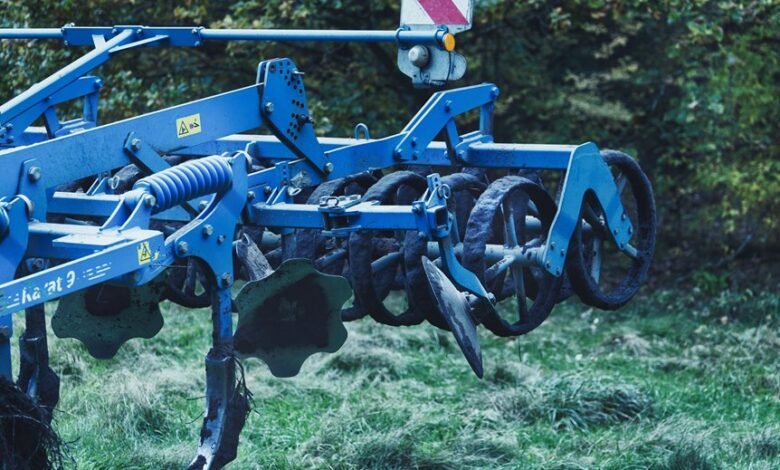
Small-scale farms benefit from tools that are modular, durable, and easy to operate. Start with components that can be reconfigured as tasks shift, avoiding unnecessary complexity. Favor gear with proven field performance and predictable maintenance to minimize downtime. Standardize interfaces to reduce cognitive load and improve reliability. Real-world durability tests should back up long-cycle use. Align purchases with budget, warranty support, and future growth prospects to sustain productive momentum, but the next decision remains challenging.
How to Define Your Small-Scale Farm’s Harvest Goals
Defining harvest goals begins with a clear assessment of market demand, climate, and resource constraints. The approach defines harvest targets, measure yield goals, evaluate crop mix, and set seasonal objectives. This method emphasizes data, practicality, and adaptability, guiding decisions about target crops, production timing, and risk management to align efforts with freedom to pursue sustainable, profitable, and resilient small-scale farming outcomes.
What Budget Reality Should Guide Tool Choices
A practical budget framework begins with separating essential from nonessential tool investments, ensuring that every purchase directly supports core production goals and risk management. Clear criteria align purchases with budget constraints and expected tool lifecycles, emphasizing value over impulse.
Decisions note maintenance windows, resale prospects, and future scale, so farmers retain freedom while sustaining reliability and competitive edge within tight financial boundaries.
How to Test Durability and Maintenance in Real-World Tasks
To verify that chosen tools perform reliably under real-world farming tasks, the approach centers on practical testing that mirrors daily workloads and environmental conditions. Durability testing guides observations of wear patterns, component fatigue, and failure modes, while real world maintenance schedules reveal needed upkeep intervals. Documentation promotes repeatable results, enabling farmers to anticipate service needs, reduce downtime, and sustain productive operations.
How Supplier Support and Warranties Affect Long-Term Value
Supplier support and warranties are pivotal to long-term value, providing direct cost protection and access to technical expertise that can shorten downtime and extend tool life.
Supplier warranties reduce risk, while robust support networks enable rapid issue resolution and parts access.
Durability testing informs expectations; maintenance routines sustain performance and resale value, guiding durable purchases aligned with practical, freedom-oriented farming goals.
How to Balance Versatility With Simplicity for Scalable Setups
Balancing versatility with simplicity is essential for scalable small-scale farming setups, where tools must adapt to evolving tasks without introducing unnecessary complexity. Practitioners pursue balanced versatility by selecting modular components, enabling quick reconfigurations for diverse chores while maintaining low cognitive load.
Streamlined simplicity reduces maintenance, and durability testing confirms long-cycle reliability, ensuring durable performance under field conditions without overengineering.
Frequently Asked Questions
How Do Seasonal Fluctuations Affect Tool Longevity and Replacement Cycles?
Seasonal fluctuations shorten tool longevity by increasing wear during peak periods, accelerating fatigue, and altering maintenance needs; therefore, seasonal durability declines without timely upkeep, affecting replacement timing. Proper scheduling, preventive checks, and data tracking support informed replacement timing decisions.
What Hidden Maintenance Costs Should I Budget Annually?
Hidden maintenance costs can surprise owners; budget forecasting should include wear, calibration, lubrication, parts replacement, and seasonal servicing. The approach remains practical, evidence-based, and instructional, enabling independent decision-makers to plan expenditures while preserving freedom to adapt tools.
Which Tools Have the Best Resale Value After a Harvest Season?
In evidence-based practice, wheel hoes show the best resale value after harvest season, due to durability and broad demand. A hypothetical small-farm case demonstrates tool longevity, maintenance diligence, and market timing optimizing resale value across cycles.
How Do Supplier Certifications Impact Tool Suitability for Organic Farms?
Supplier certifications influence tool suitability by signaling compliance with organic standards, safety, and environmental practices; tools meeting certs tend to align with organic farm workflows, ensuring reliability, durability, and traceable provenance for responsible, freedom-loving growers.
Can I Repurpose Non-Farm Equipment for Farming Tasks Safely?
Repurposing equipment can be done, but requires caution.
Repurposing equipment should emphasize safety considerations, ensuring machines are structurally sound, appropriate attachments used, and operators trained; otherwise, risks to health and efficiency outweigh potential benefits.
Conclusion
Smart tool choices for small-scale farming hinge on modularity, durability, and clarity. By aligning gear with real tasks, testing under real workloads, and prioritizing predictable maintenance, growers curb downtime and protect margins. Warranties and supplier support cement long-term value, while balancing versatility with simplicity prevents workflow bottlenecks. The result is a scalable, low-stress toolkit that grows with the farm: reliable, adaptable, and ready to weather the seasons like a sturdy oxcart steady on the road to harvest.


