
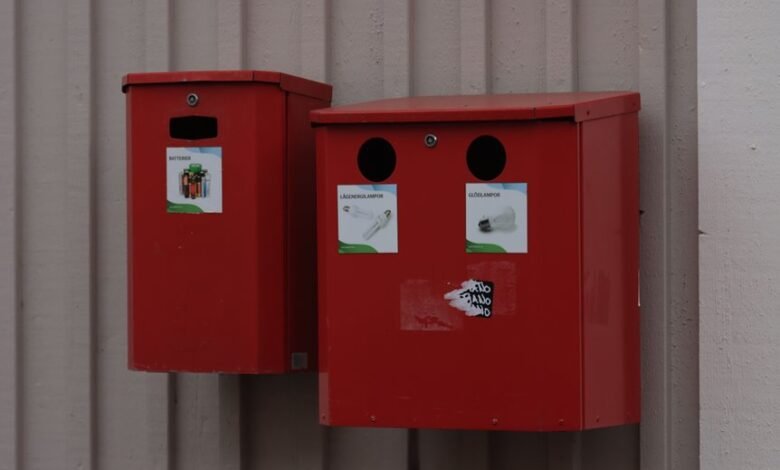
Battery recycling challenges in electric mobility span design, logistics, and economics. The seven practical approaches map lifecycle stages, quantify material recoveries, compare end-of-life routes, and assess policy impacts. Collection, sorting, and transport are treated as data-driven processes with defined throughput and cost drivers. Environmental trade-offs and regulatory signals shape feasible pathways, while innovation tracks improvements in reuse and processing. Understanding these facets reveals where scalable, economical recycling decisions must be forged to sustain growth.
What Battery Recycling Is and Why It Matters
Battery recycling refers to the processes that recover valuable materials from spent batteries, extending supply of critical metals and reducing environmental impact. This analysis quantifies material recoveries, lifecycle benefits, and cost drivers, clarifying incentives for responsible handling.
Battery labeling improves sorting accuracy, while consumer awareness boosts participation.
Objective data show efficiency gaps, policy impact, and end-of-life routing, guiding practical, scalable recycling decisions.
How EV Batteries Are Designed for End-of-Life
End-of-life design for EV batteries centers on anticipatory choices that ease later reuse, repurposing, and recycling. The approach emphasizes design for end of life and modular dismantling, enabling straightforward disassembly, component traceability, and material recovery. Data-driven strategies guide package geometry, fasteners, and standardization to reduce damage risk, streamline testing, and support scalable, economical end-stage processes.
Collection and Sorting: Getting Batteries Ready for Recycling
Effective collection and sorting practices are foundational to recycling efficiency, safety, and material recovery in electric mobility. This stage analyzes collection streams, evaluating segmentation by battery type, origin, and condition to reduce contamination.
Sorting technologies, including automated assays and sensor-based sorting, improve accuracy.
Data-driven workflows optimize intake, labeling, and custody, enabling traceability and streamlined downstream recycling performance.
From Transportation to Processing: The Recycling Pathways
Transportation to processing marks the first phase of the battery recycling pathway, linking collection outcomes with treatment options and facility capabilities. The discussion centers on how logistics, routing, and handling impact energy use, costs, and throughput, supported by data on volumes and lead times. This frame sets the stage for evaluating subsequent recycling steps and their operational constraints.
Transportation to Processing
Understanding the movement from vehicle collection to processing facilities is essential for evaluating recycling pathways in electric mobility. Transportation to processing hinges on data-driven planning, optimized routing, and secure handling. Key factors include recycling logistics efficiency, vehicle turnover rates, and contamination controls. Cross border shipments complicate timelines, compliance, and cost structures, demanding standardized documentation and transparent tracking to minimize delays and maximize throughput.
Recycling Pathways Explained
Recycling pathways from collection to processing in electric mobility hinge on clearly defined routes, modal choices, and processing efficiencies. The pathway delineates transport logistics, sortation, and pre-processing, followed by material recovery and refining steps. Data-driven comparisons reveal cost, energy efficiency, and throughput variances. Effective integration yields higher recycled materials output, reduced emissions, and scalable, transparent, and adaptable circular supply chains.
Economic Realities: Costs, Markets, and Incentives
The economics of battery recycling in electric mobility hinge on a delicate balance between processing costs, material value, and evolving markets for recovered metals.
Cost structures influence profitability, while market incentives steer investment flows and capacity expansion.
Clear visibility into price trajectories, recycling yields, and regulatory signals enables disciplined decision-making and risk management within increasingly integrated supply chains.
Environmental Trade-Offs and Regulatory Drivers
Environmental policy choices shape both recycling targets and the costs of compliance, with varied implications for supply chains and end-of-life handling. Regulatory impact tradeoffs arise from differences in stringency, monitoring, and enforcement, influencing device design, collection rates, and processing technologies. The discussion centers on how policy design, incentives, and enforcement outcomes align environmental goals with practical feasibility.
Environmental Policy Drivers
What policy incentives and regulatory requirements shape the adoption of battery recycling in electric mobility, and how do they balance environmental gains against economic and logistical trade-offs? Policy incentives spur collection, sorting, and reuse, while trade regulation enforces hazardous waste standards and producer responsibility. Data show cost offsets from material recovery, but administration complexity and cross-border flows influence implementation and scale.
Regulatory Impact Tradeoffs
Balancing environmental gains with regulatory realities in battery recycling for electric mobility involves weighing cleaner material streams against costs, complexity, and cross-border logistics.
Regulatory impact assessment highlights how policy stringency shapes industry incentives, while tradeoffs benefits emerge from harmonized standards versus national fragmentation.
Costs, compliance burdens, and monitoring requirements influence investment, timelines, and deployment, underscoring need for data-driven, proportionate governance.
Innovation That Makes Reuse and Recycling More Viable
Innovations that make reuse and recycling more viable focus on improving material recovery, reducing processing costs, and extending battery lifespan through design and workflow changes.
Analyses highlight targeted process improvements, modular design incentives, and standardized testing to close solutions gaps.
They address material streams by separating chemistries early, enabling parallel reuse routes, and enabling data-driven sorting, lifecycle tracking, and scalable, cost-efficient recycling pathways.
Frequently Asked Questions
How Long Does It Take to Recycle an EV Battery End-To-End?
The end-to-end timeline for EV battery recycling varies by technology and facility, but typical recycling timelines span weeks to a few months, with processing, sorting, and refining forming the core end to end processes for optimal recovery.
Which Countries Dominate Battery Recycling Capacity and Why?
China dominates recycling capacity due to extensive infrastructure and investment; Europe demonstrates leadership through policy drivers that accelerate collection and processing. The analysis highlights data-driven drivers, ongoing capacity expansion, and pragmatic constraints shaping global battery circularity.
Can Used Batteries Be Repurposed Before Recycling, and How?
Could used batteries be repurposed before recycling? Yes, through repurposing applications such as stationary storage; assesses secondary use viability with data-driven evaluation, lifecycle tests, and safety protocols, informing practical decisions for energy flexibility and responsible materials management.
What Happens to Critical Minerals After Recycling Processes?
Critical minerals become refined feedstocks in subsequent production rounds, shaping the minerals lifecycle from end-of-life to usable inputs; recycling economics governs recovery rates, purity, and downstream value, influencing cost curves and resource independence in practical, freedom-oriented analytics.
How Do Consumer Incentives Influence Recycling Uptake Rates?
Consumer incentives significantly affect recycling uptake, shaping participation needs and timing. Data suggests monetary rebates and convenient drop-off increase volumes, while awareness programs complement incentives. A balanced mix yields higher, sustained recycling uptake across diverse consumer segments.
Conclusion
This study scrutinizes strategy, standards, and scrap flows with sharper sensitivity to systems and supply chains. Data-dense, дизайн-agnostic insights show how design, collection, sorting, and transport tightly drive economics, while lifecycle analyses reveal where emissions and costs converge. Practical, policy-aware findings foreground scalable recycling routes, robust incentives, and cross-border logistics realities. By benchmarking performance, bottlenecks, and breakthroughs, the analysis offers actionable, evidence-based guidance for stakeholders pursuing sustainable, cost-effective reuse and recycling in electric mobility.